Midtown
Times Square, Broadway, Grand Central and Rockefeller Center in one crowded, convenient grid. Best for a first hotel and theatre nights.
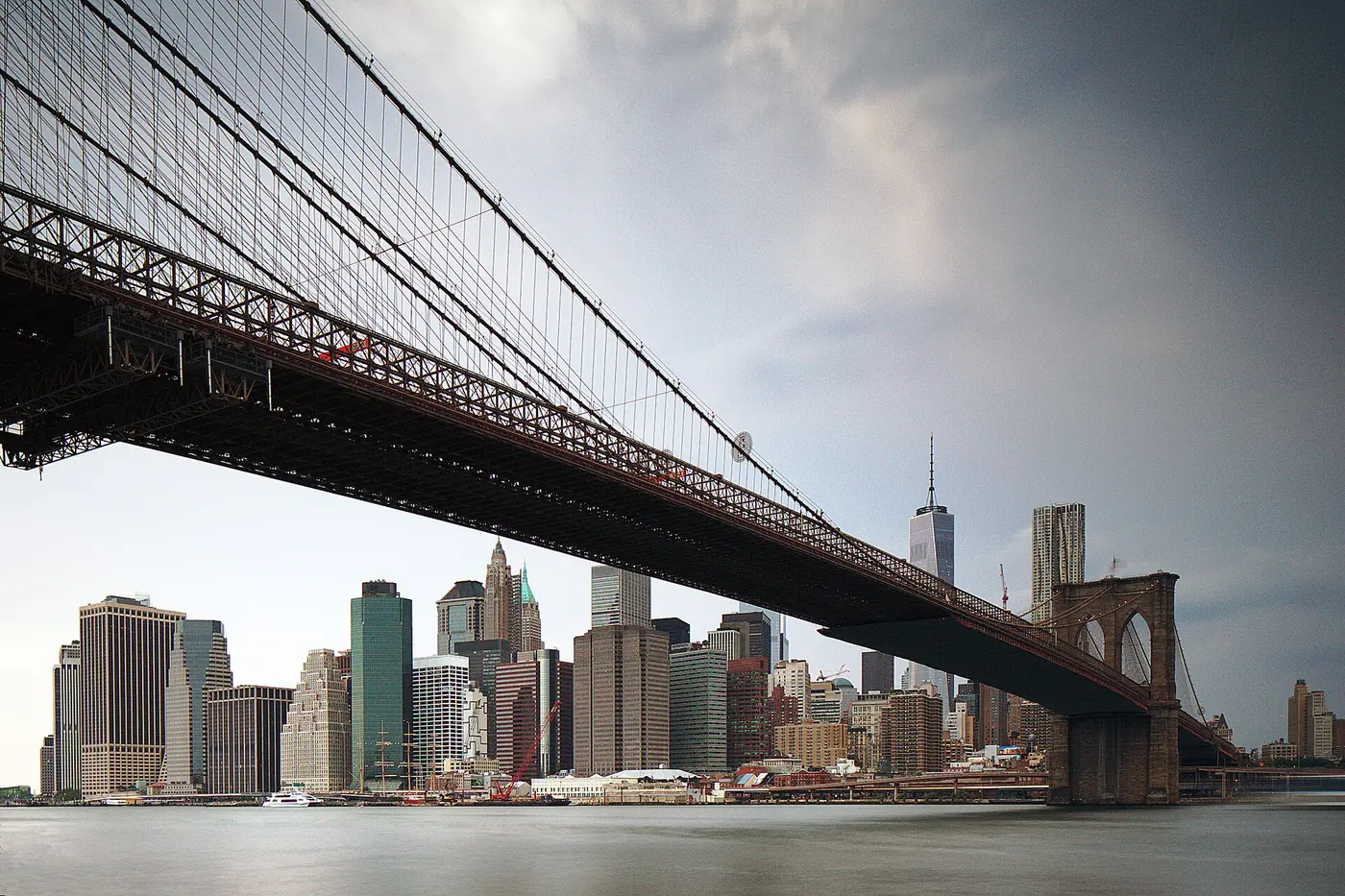
The island everyone pictures when they picture New York — and, with a little planning, a place where you can still find quiet streets, old bars and a skyline all to yourself.
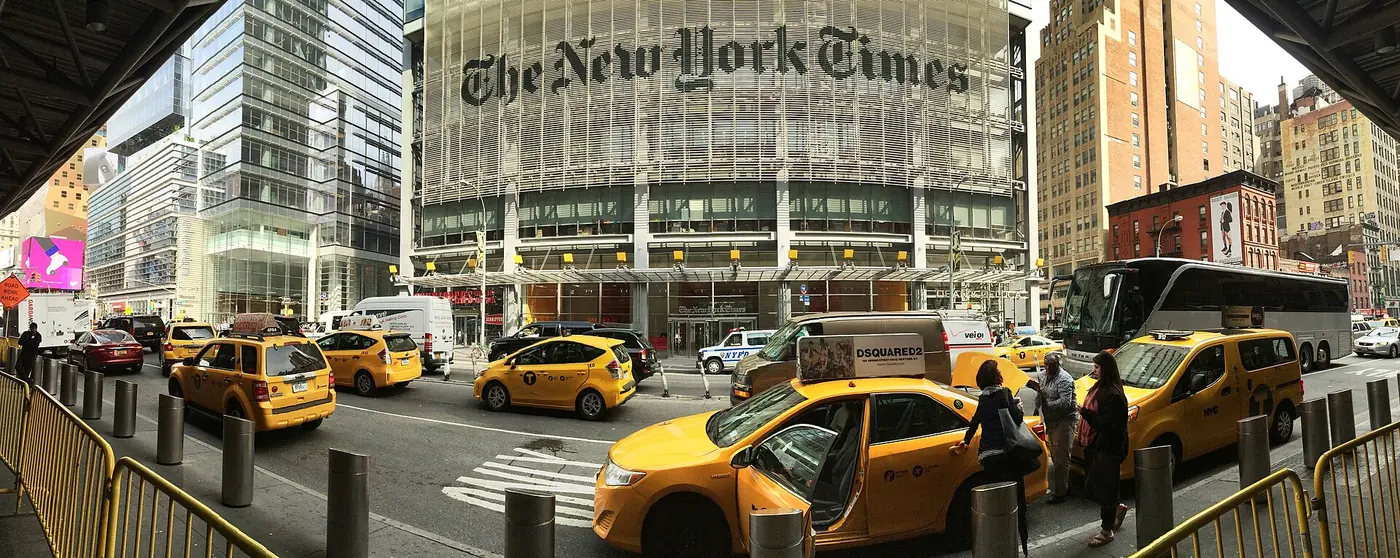
Manhattan is 13 miles long and 2 miles wide, and almost everything visitors want to see sits in the bottom half of it. The trick is to treat the island as a set of neighbourhoods rather than one long sightseeing list.
Spend your mornings on the big things — observation decks, the Statue of Liberty ferry, The Met — and your afternoons walking the streets that make the city liveable: the West Village, the Upper West Side, the Lower East Side. That is where the postcard turns into a place.
Everything below 59th Street is dense, walkable and served by dozens of subway lines. Above it, the grid is easy and the pace is calmer. You do not need a car for any of it.
Nine areas that together explain most of the island. You will not do them all in one trip, and you should not try.
Times Square, Broadway, Grand Central and Rockefeller Center in one crowded, convenient grid. Best for a first hotel and theatre nights.
Wall Street, the 9/11 Memorial, Battery Park and the ferry terminals. Compact, historic, and quiet at weekends.
Cast-iron facades, cobblestones and global retail. Walk Greene, Prince and Broome streets, then eat on the edge of Nolita.
Brownstones, Washington Square Park, jazz basements and the crooked streets of the West Village. The best place to be at 6pm.
Museum Mile — the Met, the Guggenheim, the Neue Galerie — plus Central Park's quiet eastern edge.
AMNH, Lincoln Center, Zabar's and Riverside Park. Residential, family-friendly and calmer than Midtown.
The Apollo, the Schomburg Center, 125th Street and a deep jazz and soul-food history. Worth a guided half-day.
Tenement history, Katz's and Russ & Daughters, and a nightlife scene that goes late. The city's immigrant story in a few blocks.
843 acres of free, from Bethesda Terrace to the Ramble. Enter at 72nd Street and walk north.
Book the first three before you travel; the rest can happen on the day.
Free, 843 acres, and genuinely the reason many New Yorkers stay. Start at Bethesda Terrace; end at the Ramble.
One of the great museums on earth. Three hours on the highlights is the right call; it is closed Wednesdays.
Top of the Rock for the Empire State Building view; the Empire State Building for the view that includes it. Book the sunset slot early.
From Battery Park, with Ellis Island included. The only authorised operator is Statue City Cruises — ignore anyone selling on the street.
Book ahead for a specific show, or use TKTS on the day for up to half price. The Theatre District starts at 41st Street.
9/11 Memorial, Wall Street, Stone Street and the ferries. The plaza is free; the museum takes two hours.
The island is expensive, but its best-loved food is still cheap if you know where to queue.
Lower East Side. Pastrami on rye, hand-carved, about $32–36. Keep your ticket.
Lower East Side. Bagel with lox at the counter that has been doing this since 1914.
Greenwich Village. The rare New York slice worth the reputation — about $4.50.
Chelsea Market and Times Square. Adobada tacos, no seats, worth standing for.
53rd and Sixth. The chicken-and-rice platter that starts a queue every evening.
Not one restaurant but twenty, under one roof. The reliable rainy-day lunch.
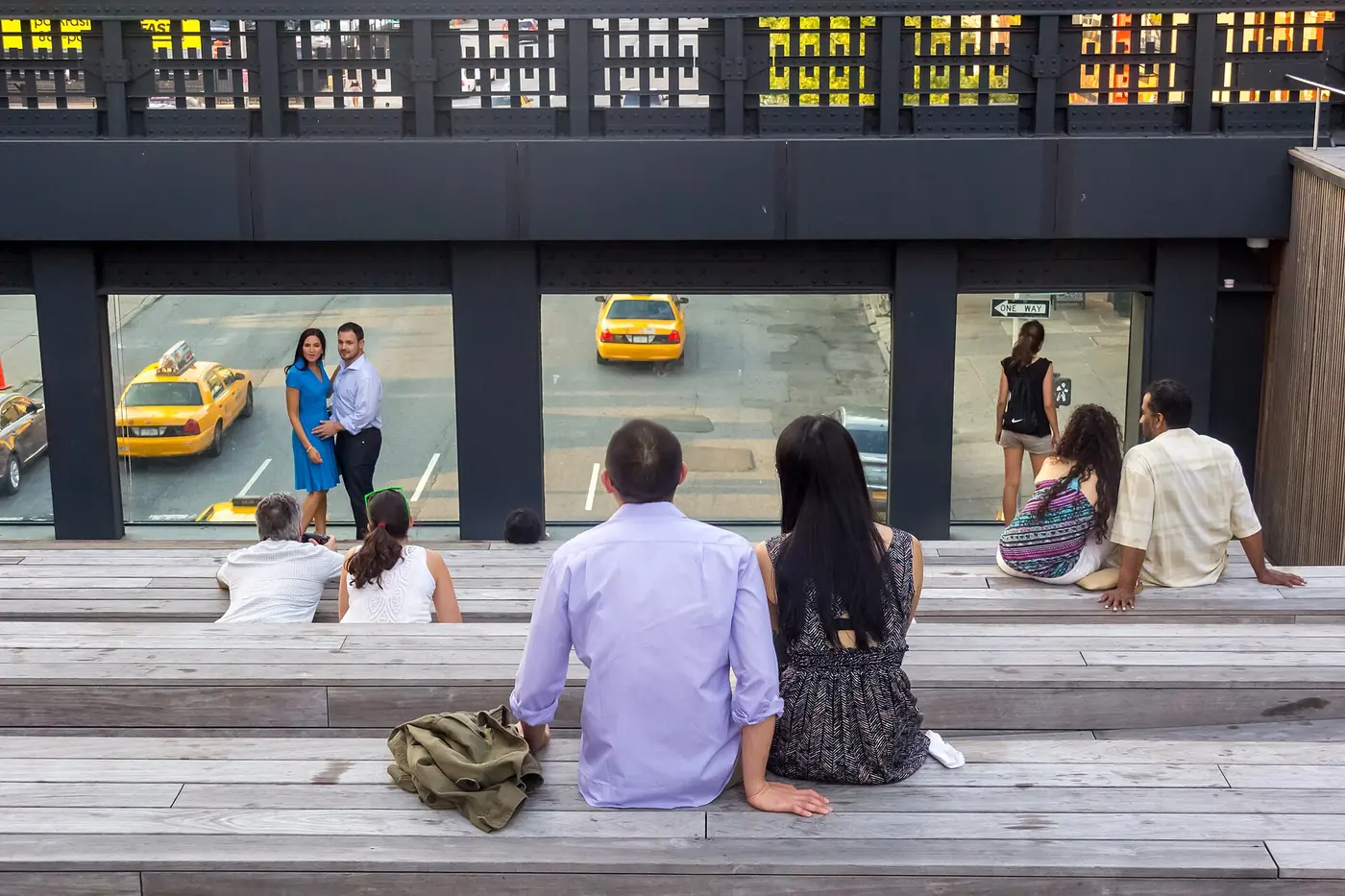
A realistic loop that hits the park, a museum and the skyline without crossing the island twice.
Enter at 72nd Street, walk the Mall to Bethesda Terrace and the Bow Bridge.
Three hours on the highlights — or swap for AMNH if you are travelling with children.
Then take the 6 downtown toward the Village.
Washington Square Park, Bleecker Street, a coffee, a slice.
Book the slot before sunset for the best light on the Empire State Building.
Or a Broadway show if you booked ahead.
Every subway line passes through Manhattan. Above 59th Street, walking the grid is often faster than going underground; below it, take the train. Crosstown buses are slow — the exception is the M42 and the M57 if you are already at street level.
Not necessarily. Brooklyn and Queens are cheaper and often nicer, and anywhere near a subway gets you into Midtown in 15–30 minutes. See where to stay.
For fifteen minutes at dusk, yes — it is genuinely spectacular as a piece of urban theatre. For dinner, no.
Two full days covers the icons; three or four lets you add museums and neighbourhoods. Our 5-day itinerary gives it three and a half.
Central Park, followed closely by Grand Central's concourse and the Staten Island Ferry from Whitehall. All three cost nothing.