What is actually worth it
Observation decks, museum windows, the ferry against the cruise, the bridge walk against the bus tour. The comparison pieces, with the numbers attached.
Longer pieces, written to be useful on the ground rather than inspiring from a distance: what is free, what is worth queueing for, and what to do when the weather changes your plans.
New York's best free experiences are not secrets, and that is exactly why they work: a ferry that costs nothing, a park with room to think, and a bridge you can walk into Manhattan.
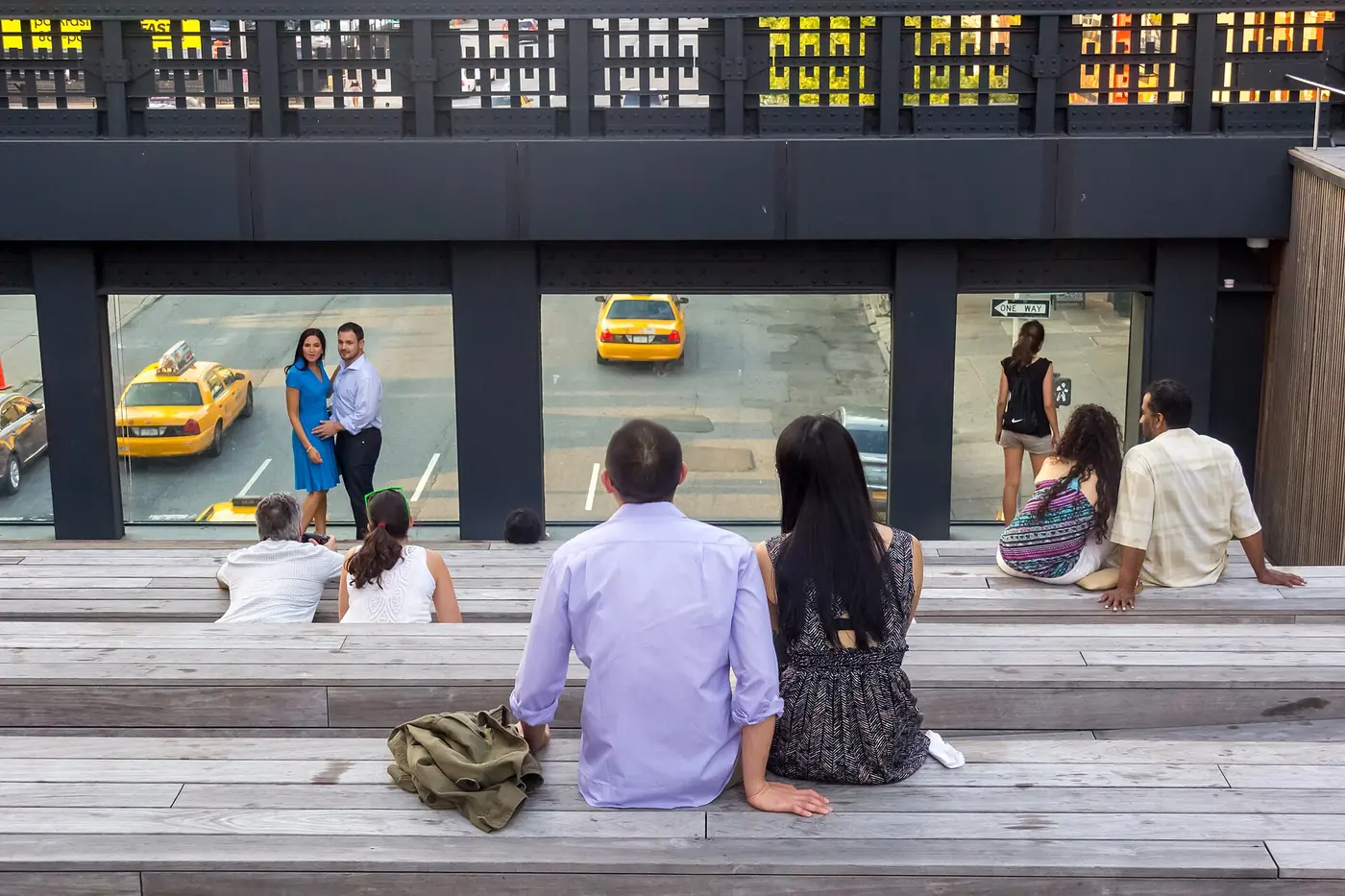
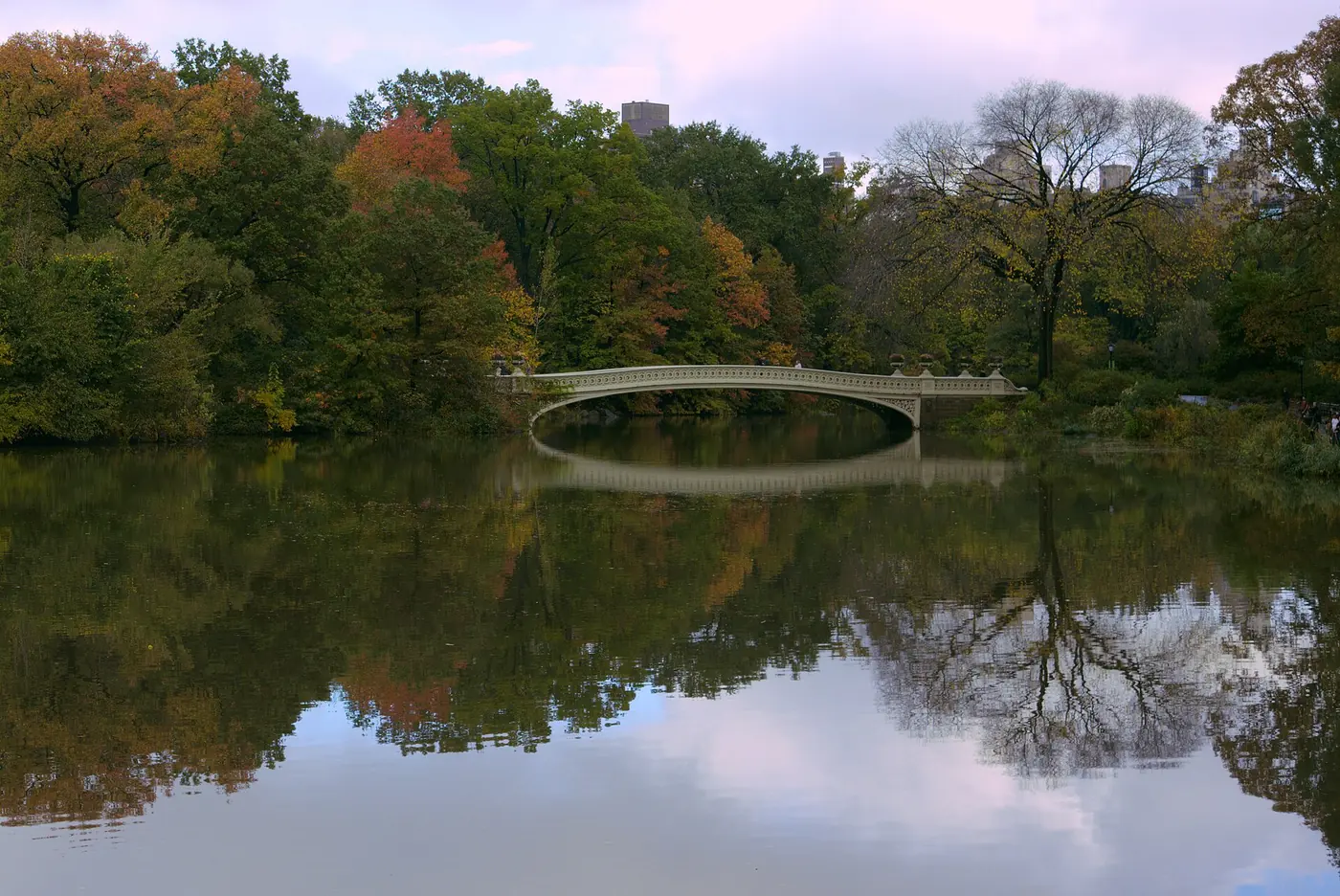
This is the piece we point first-timers to when they ask how to see the city on a small budget. It covers the Staten Island Ferry, Central Park, the High Line, the free museum windows with their exact days and times, free summer concerts, and the honest caveat about Governors Island. All of it costs nothing but time — with the practical notes that make each one actually work: when to arrive, which entrance to use, and what to skip.
Essays and practical guides, each written around a single question: how do you actually spend the day?
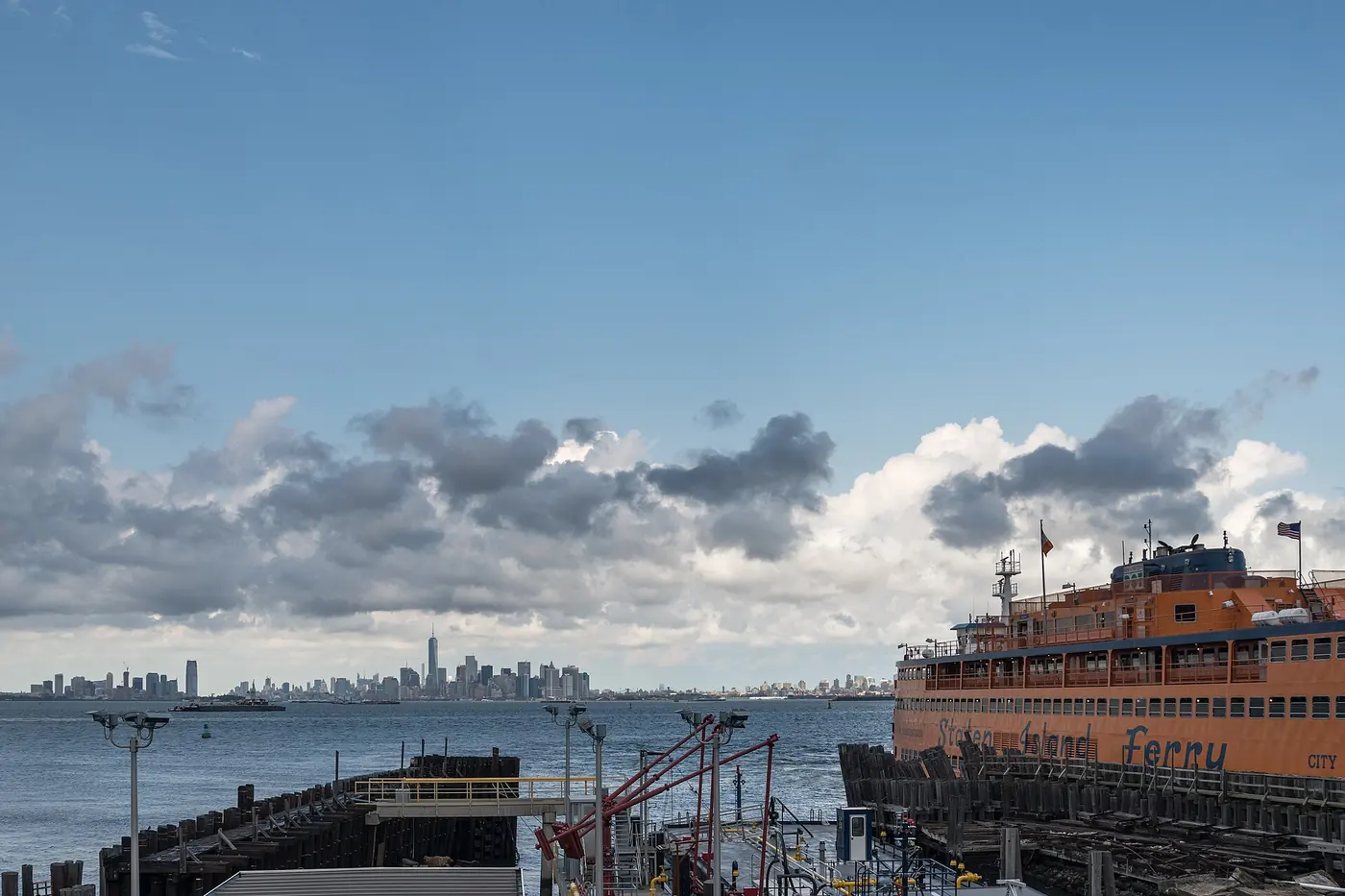
The ferry, the bridge, the park and the museum windows — with the exact days and times, and what each one really costs you in time.
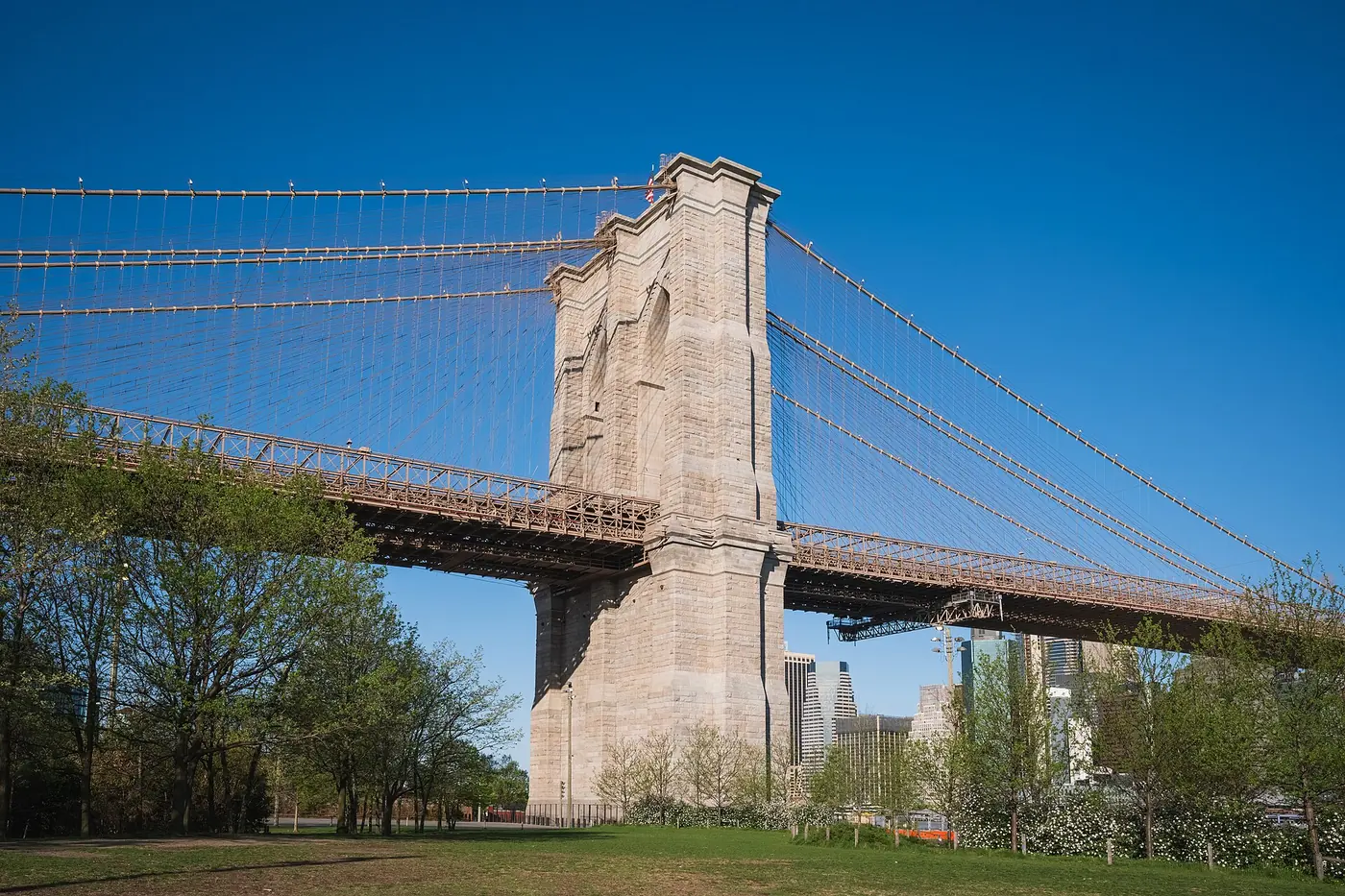
Promenade, DUMBO, a long lunch and Prospect Park — a one-day plan built for the pace of a Sunday rather than a sightseeing sprint.
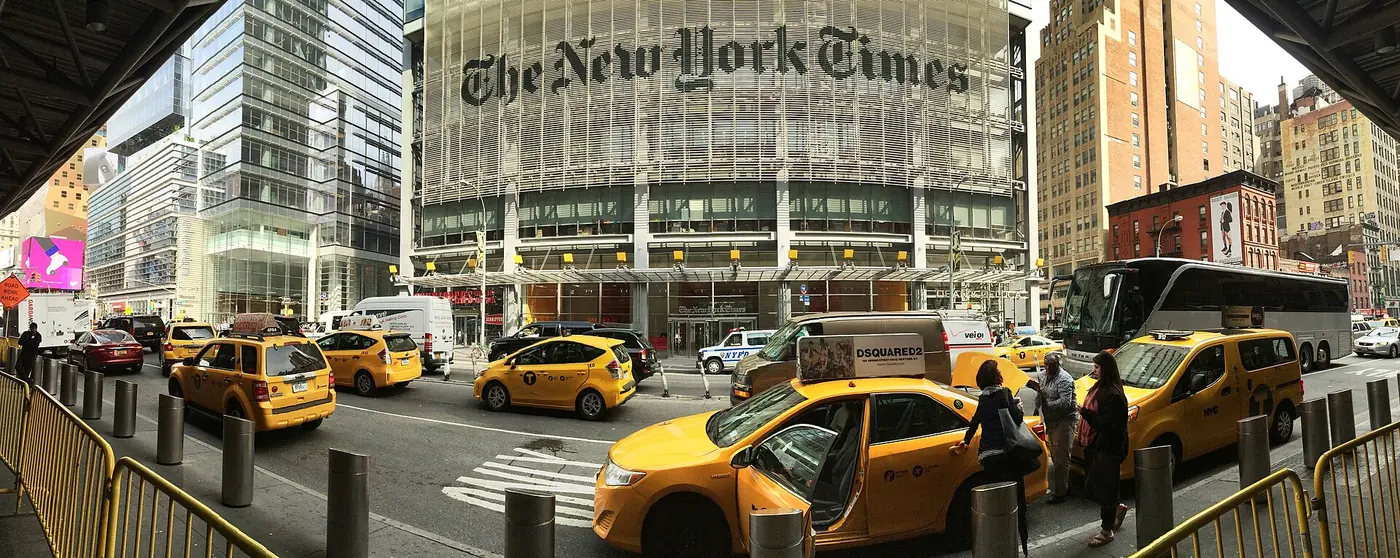
Which museums actually help, where the food halls are, and how to move a Broadway matinee without losing the money you spent.

What a bagel, a slice and a pastrami sandwich should cost in 2026, ten affordable institutions, and where to eat by neighbourhood.
Manhattan is the postcard; Queens, Brooklyn, the Bronx and Staten Island are the reason to come back. Start with the overview.
Month-by-month weather, the busiest weeks, the cheapest weeks, and the two windows in the year when the city is at its best.
Every piece fits one of three questions: what is worth your time, what it costs, and what the city is like when the plan changes.
Observation decks, museum windows, the ferry against the cruise, the bridge walk against the bus tour. The comparison pieces, with the numbers attached.
Passes, tickets, food and transport, priced for 2026. We would rather tell you a thing is not worth the money than pad the page.
Rain, heat, a closed museum, a sold-out show. The Journal treats a change of plan as part of the trip rather than a failure of it.
Every Journal piece starts from the same question: what would we tell a friend who is arriving on Friday?
That means prices with the date attached, opening hours that reflect the current schedule, and an honest note when something is not worth the money. We do not invent restaurants, we do not pretend a queue is a discovery, and we update the pages when the facts change.
If a recommendation is paid for, it will say so. If we have not been somewhere recently, we describe the category rather than the place. The result is a guide that is occasionally less exciting than the internet and considerably more useful on the day.