American Museum of Natural History
From $28, or $43 with one ticketed exhibition. Pay-what-you-wish applies to New York, New Jersey and Connecticut residents. Allow half a day, more with children.
Open daily; reserve a timed slot.
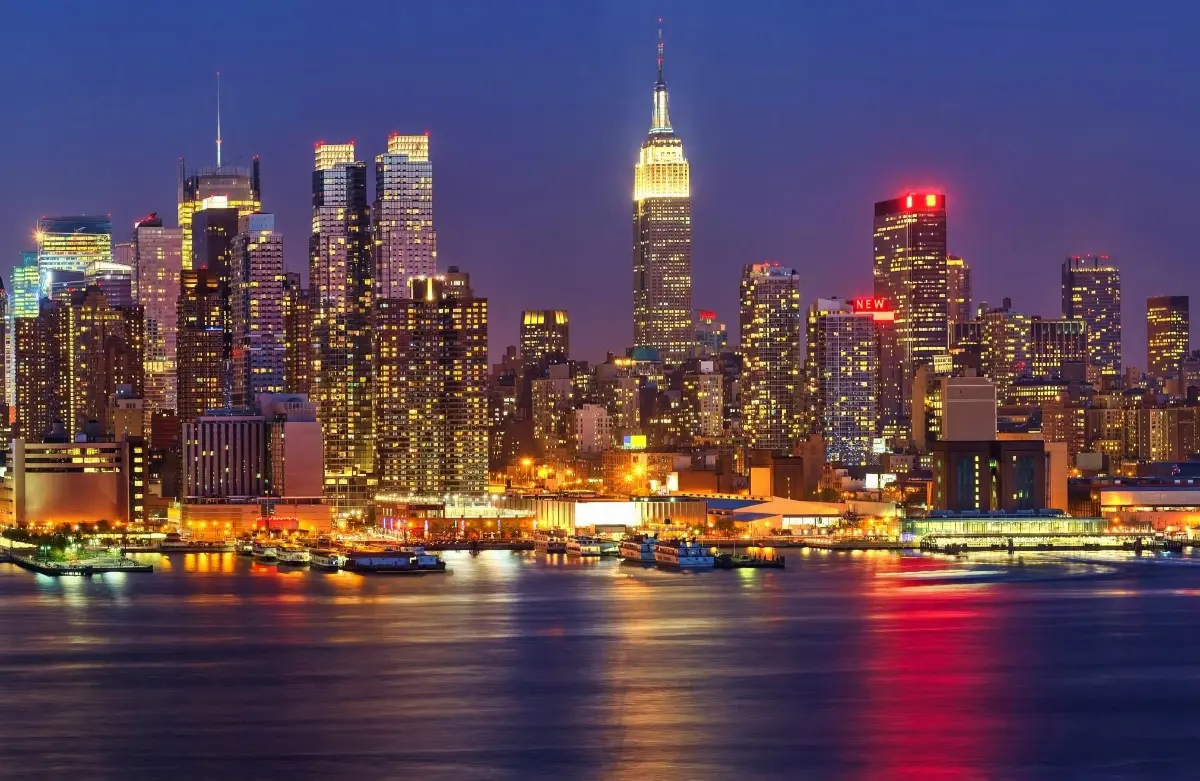
New York has more paid attractions than any trip can absorb. These are the ones worth planning around, what they cost from, and the order to book them in so you spend your time in the city rather than in a queue.
The most useful decision on a first trip is which observation deck you climb. There are five, they cost roughly the same, and each shows you a different city.
Top of the Rock puts the Empire State in your photographs. The Empire State shows everything except itself. Edge gives you the West Side and a glass floor; SUMMIT is half art installation; One World Observatory is the harbour view.
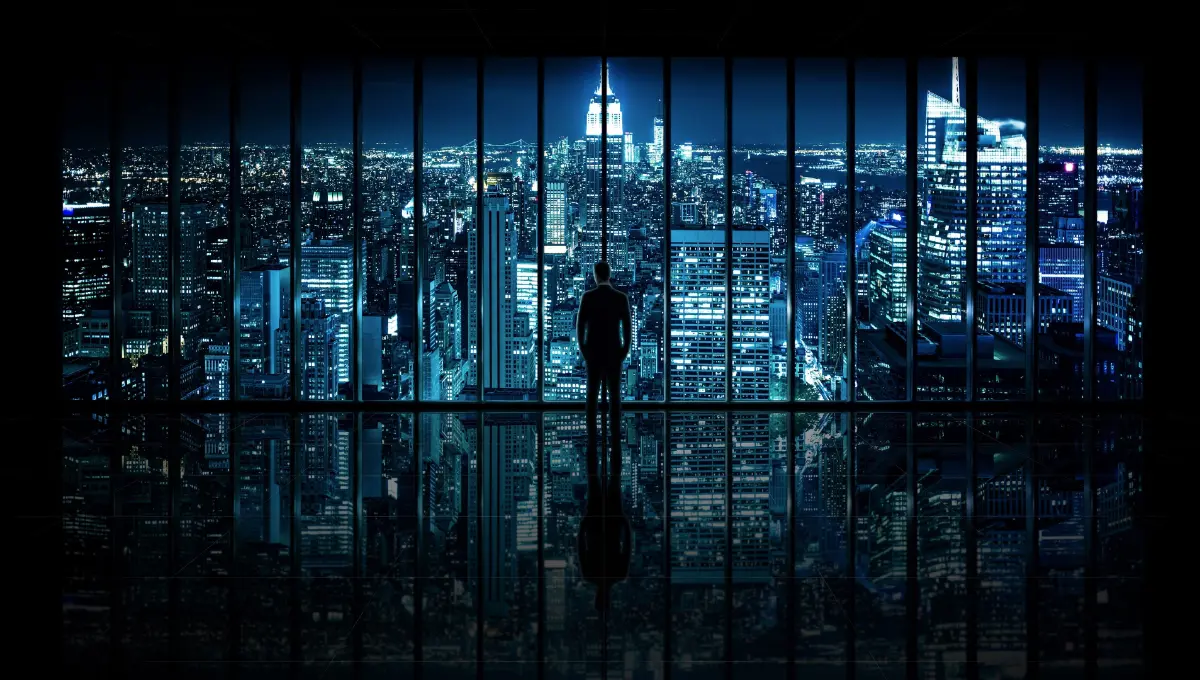
All five are worth the money once; none twice on the same trip. Prices are adult “from” rates and rise at weekends and for sunset slots.
| Deck | What you see | Price from | Best time | What makes it different |
|---|---|---|---|---|
| Empire State Building 86th floor | Midtown, Central Park and both rivers — but not the Empire State itself | from $46 peak around $57 | Sunset, or the first hour after opening | The classic: Art Deco interiors and an open-air terrace. |
| Top of the Rock | The full Empire State Building, the park and both rivers | from $42 peak around $60 | Late afternoon into dusk | The only deck with the Empire State in the frame. |
| Edge | Hudson Yards, the High Line and the West Side | around $44–69 | Golden hour | A cantilevered outdoor deck with a glass floor. |
| SUMMIT One Vanderbilt | Midtown, the Chrysler Building and the park, reflected back at you | around $44–62 | Morning or late afternoon | The most photogenic: art installations before the view. |
| One World Observatory | Lower Manhattan, the harbour, the bridges and the Statue of Liberty | from $51 | Morning, for the clearest harbour light | The southernmost and the tallest, best for Lower Manhattan. |
If you want the photograph everyone recognises — the Empire State glowing above Midtown — book Top of the Rock for dusk. If you would rather stand on the building itself, book the Empire State and accept that it will not be in your pictures.
Most attractions release timed tickets weeks ahead. Work down this list and the fixed points of your trip are settled.
The best seats for a specific show go earliest — two to three weeks ahead for a weekend.
The first ferry departures sell out before the later ones. Book the earliest slot you can face.
Choose one and book a fixed time. Sunset slots at the popular decks are the first thing to go.
Reserve the 9/11 Museum and the American Museum of Natural History properly; most others can wait.
Parks, markets and the High Line need no booking. Decide the evening before, when you know the weather.
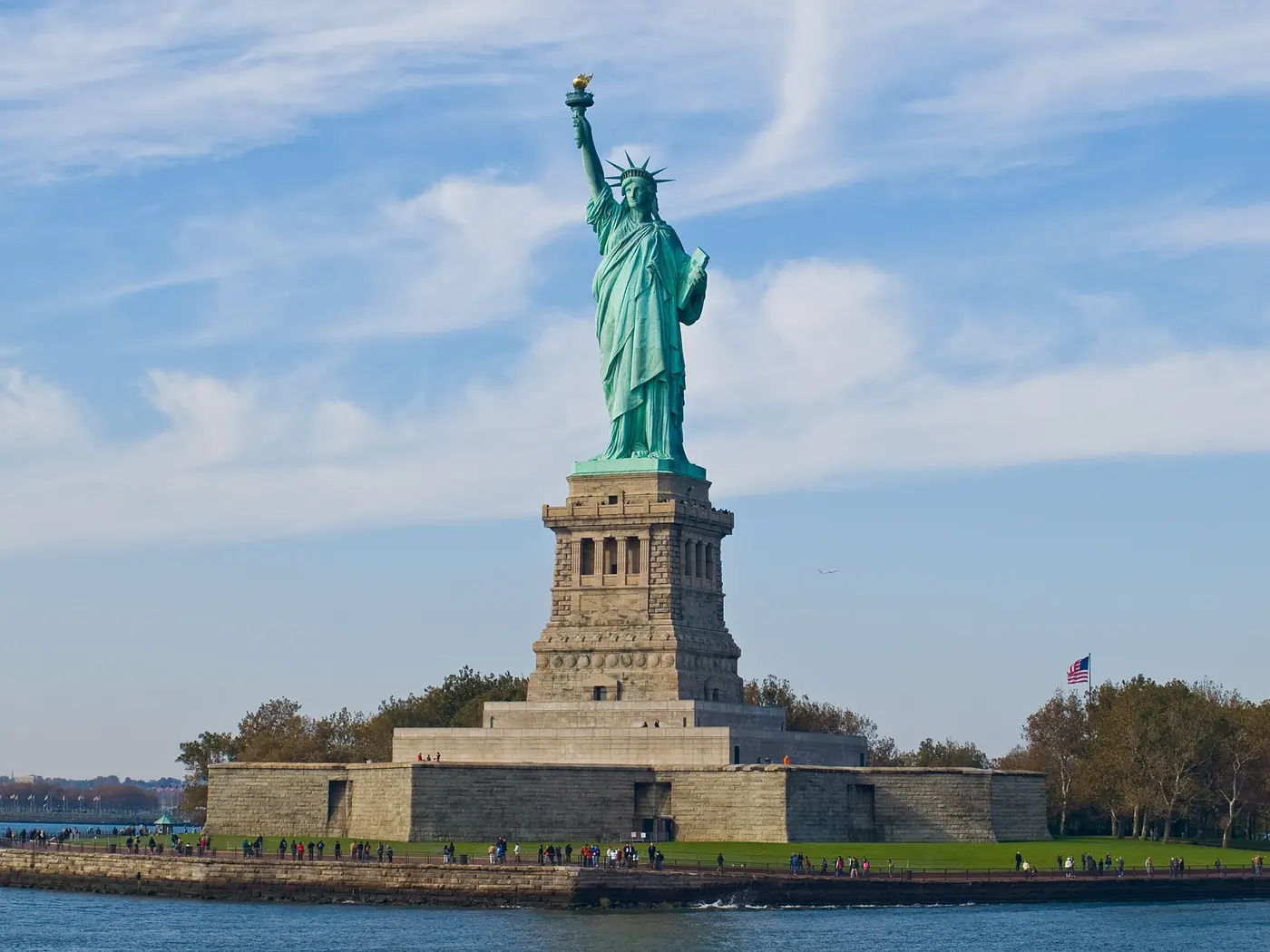
This is the one excursion where logistics matter as much as the sight. Statue City Cruises is the only National Park Service-authorised operator, and the only way to land on Liberty Island.
Fares are from $25.50 adult, $16.50 child and $22.50 senior; pedestal or crown access adds $0.30 but those tickets sell out well ahead. Boats leave from Battery Park, and the round trip includes Ellis Island and its immigration museum. Allow three to four hours and expect airport-style security.
Book the first departure you can manage: the island is quietest before 10am and you are back in Manhattan for lunch. Ignore anyone on the street selling “skip the line” tickets — there is no such product. If you only want to see the statue, the free Staten Island Ferry passes close by several times an hour; see free things to do.
Pick two per trip, go early and leave before you stop looking properly.
From $28, or $43 with one ticketed exhibition. Pay-what-you-wish applies to New York, New Jersey and Connecticut residents. Allow half a day, more with children.
Admission is $30. UNIQLO Free Friday Nights run 5:30–8:30pm for New York State residents only — reserve ahead, because the slots go quickly.
From $30. Closed Wednesdays; Sunday to Tuesday and Thursday 10am–5pm, Friday and Saturday 10am–9pm. Pay-what-you-wish applies to New York State residents and local students. Three hours on the highlights is enough.
Museum admission is from $24 to $36 depending on the date; the memorial plaza is free and open 8am–8pm. New Yorkers visit free on Sundays 4–7pm with ID. Allow two hours.
Cheaper still: the Whitney is free on Friday nights and free daily for visitors aged 25 and under, the Brooklyn Museum runs suggested admission, and the Bronx Museum is always free. See the budget guide.
The average paid Broadway ticket in the 2025–26 season was $131.09. You can pay that, or far less by choosing the right queue at the right hour.
For a specific show on a specific night, book two to three weeks ahead. For flexibility, TKTS sells same-day seats at up to 50% off: the Times Square booth opens Monday, Tuesday and Friday 3–8pm and Wednesday, Thursday, Saturday and Sunday 11am–8pm, while Lincoln Center runs Tuesday to Saturday 11am–6pm. Weeknights have the best selection.
Each show also runs its own rush or lottery tickets, usually released the morning of the performance. If a particular musical is the point of the trip, book it properly; if a good night out is the point, TKTS will do.
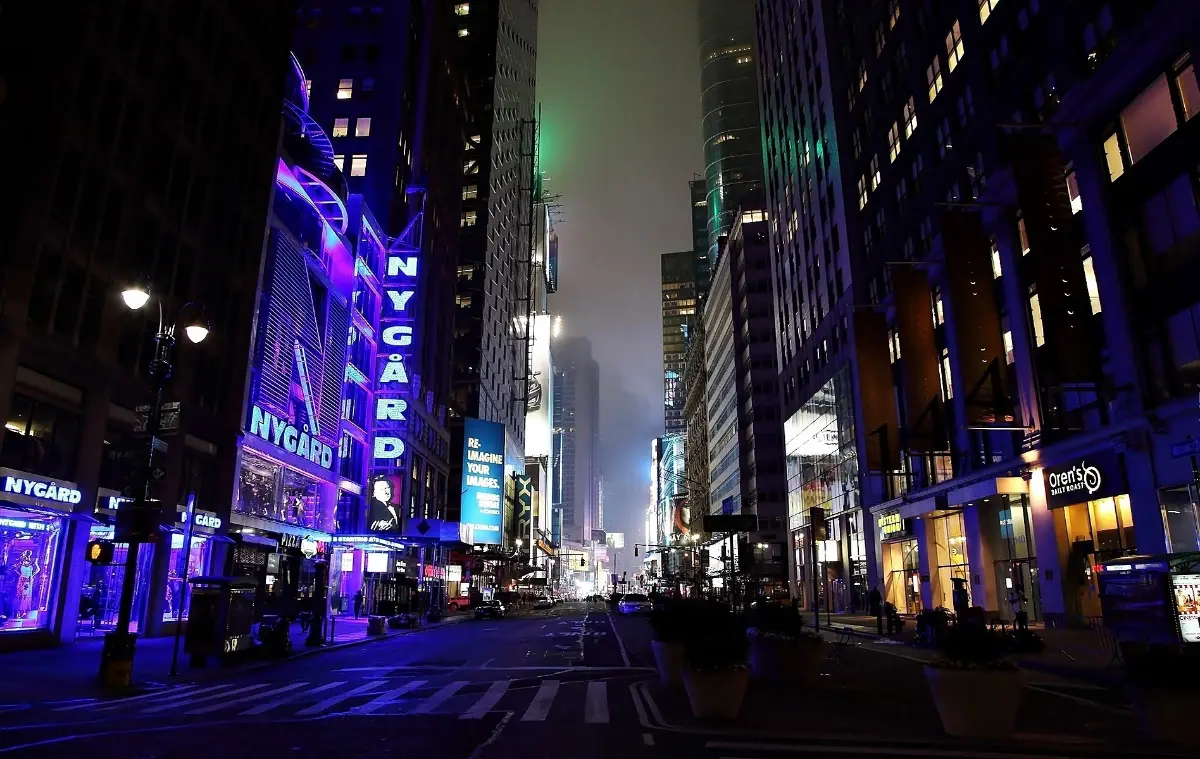
Free sights are not worse — just busier at the hours that suit you.
Top of the Rock if you want the Empire State Building in your photographs, the Empire State Building for the classic open-air terrace, One World Observatory if your trip focuses on Lower Manhattan.
Yes. Ferries sell out, crown and pedestal tickets sell out much earlier, and the first departures are the most popular. Book through Statue City Cruises and arrive early.
The Met, MoMA and the American Museum of Natural History publish fixed adult rates; the 9/11 Museum prices by date. New York residents and students should check the pay-what-you-wish rules.
No. TKTS is cheapest for midweek seats to shows that are not selling out. For a weekend performance of a popular musical, booking ahead can be cheaper and is the only way to guarantee the show you want.
Attractions are only one line in the budget. Transit, food and hotel tax are the others — and easier to control than the ticket queue.